Table of Contents
Personalize your Shopify products
Install for freeDuring the Christmas season, holiday marketing is crucial, as this period allows businesses to boost sales and strengthen customer relationships. With Christmas at the center of this busy season, planning and executing strategies that capture the festive spirit while driving results is essential 🎄🎁
The first thing any shop owner should do is research their buyer persona. Do you know what people who buy in your shop like or want? How can you attract new customers?
Once you have a clear idea of your target audience, follow these basic but infallible Christmas marketing practices and tips to take advantage of this profitable period of the year 😉
6 Marketing Strategies to Sell More at Christmas
1. Start early and build anticipation
The brands that win Christmas usually aren't the ones with the biggest last-minute sale. They're the ones who started talking about the holidays weeks before anyone else. Shoppers begin researching gift ideas as early as October, and if your brand isn't part of that early conversation, you end up competing for attention during the noisiest, most discounted weeks of the year instead.
Email marketing is one of the best tools for this. Instead of jumping straight to "50% off," build a sequence: a "holiday collection is coming" teaser, a preview of your best-selling gift items, then the official launch with your offers. Each email keeps your brand top of mind without asking for the sale too soon.
Social media works the same way. Behind-the-scenes content, like packing orders, testing new holiday designs, or previewing a limited collection, creates curiosity naturally. Countdown stickers on Instagram Stories or a "guess what's coming" post can get people talking before you've spent a cent on ads.
Try this: Map out a 4-6 week pre-Christmas content calendar with three phases: teaser, preview, and launch. That way your audience feels like they're getting a first look, not just another ad.
2. Create multi-channel campaigns
No single channel reaches your whole audience, especially during the holidays when attention is split between inboxes, feeds, group chats, and in-store displays. A multi-channel campaign means the same core holiday message, your offer, your story, your urgency, shows up everywhere your customers already are, in a format that fits each platform.
That doesn't mean copying and pasting the same graphic everywhere. Your email can go deep on product details and a discount code. Your Instagram feed can focus on visuals and lifestyle shots. Your Stories or TikTok can show the product in action or a quick gift guide. If you have a physical store, in-store signage or packaging inserts can back up the same promotion customers saw online, connecting what happens online with what happens in person.
The goal is to stay consistent, not repeat yourself: same message, same look, same offer, different execution depending on where people are seeing it.
Try this: Before the season starts, write down your one core holiday message and offer, then adapt it into 3-4 channel-specific formats instead of designing each channel from scratch.
3. Offer exclusive discounts
Generic sitewide discounts get lost in the noise of Black Friday and Cyber Monday. What actually moves the needle during the holidays is offers that feel personal and time-sensitive.
Start by grouping your audience using data you already have: past purchases, browsing behavior, or loyalty status. A returning customer who bought a personalized mug last year might respond well to "here's 15% off your next custom gift," while a first-time visitor might just need free shipping to tip them over. Personalized offers tend to do better than blanket discounts because they show the customer you know them, not just that you want their money.
Adding urgency helps too. Limited-time flash sales, "only a few left" messaging, or discounts that expire in 48 hours push hesitant shoppers to buy now instead of bookmarking your page for later, a later that, during the holidays, often never comes.
Try this: Save your best discount for loyal or returning customers, and use short flash offers for new visitors to cut down on abandoned carts.
4. Take advantage of user-generated content
Holiday shopping is social. People buy gifts based on what they've seen friends, family, or influencers rave about. User-generated content lets your own customers do that convincing for you, and it usually feels more real than a branded ad ever could.
Encourage customers to share unboxing moments, gift reveals, or how they're using your products this season, tied to a branded hashtag that's easy to remember. A giveaway is one of the quickest ways to kick this off: ask people to post a holiday-themed photo and tag your brand for a chance to win, and you'll get a wave of content and referral traffic in return.
This matters even more for personalized or custom products, where seeing a real customer's finished item, not just a product mockup, helps shoppers picture their own gift before they buy. A repost of someone's custom ornament or engraved gift often converts better than a studio photo.
Try this: Launch your hashtag campaign around the same time as your early teaser content from tip #1, so you're collecting shareable posts throughout the season instead of just after Christmas.
5. Enhance customer experience
The holiday rush makes everything feel more urgent, including the cost of a bad experience. A shopper who's stressed about deadlines, worried about shipping delays, or unsure about a return policy is far more likely to abandon their cart or just buy from a competitor with clearer answers.
Free shipping is one of the biggest factors in holiday purchase decisions. Pair it with a clearly extended return or exchange window. Nobody wants to buy a gift in early December only to find out it can't be returned until after the holidays if it's the wrong size or doesn't land well.
It also helps to just be available when customers need you. Extending customer service hours, offering live chat during busy shopping windows, or clearly stating cutoff dates for holiday delivery all cut down on the anxiety that leads to abandoned carts and support tickets alike.
Try this: Add a visible shipping cutoff countdown, like "Order by Dec 18 for Christmas delivery," to product pages. It removes uncertainty and creates urgency at the same time.
6. Record video marketing for emotional appeal
Christmas is one of the few times of year when customers actually want to feel something from a brand, not just find the best deal. Video is good at that in a way static images or text just aren't. It can tell a story, show real emotion, and create warmth.
A heartfelt brand story, a customer testimonial, or a simple holiday greeting from your team can make your business feel more human and build a connection that lasts past the season. You don't need a big budget for this. A short, honest video wishing customers happy holidays, or a quick look behind the scenes at your team packing orders, can stand out more in a crowded inbox or feed than another polished ad.
For personalized or gift-focused brands, video is also a good way to show the product itself in action, someone opening a custom gift, or a quick demo of how easy it is to personalize an order, turning an emotional moment into something that nudges people toward buying.
Try this: Reuse one heartfelt video across email, social, and even your homepage. One strong piece of emotional content goes further than several rushed ones.
Why should I sell personalized products for Christmas?
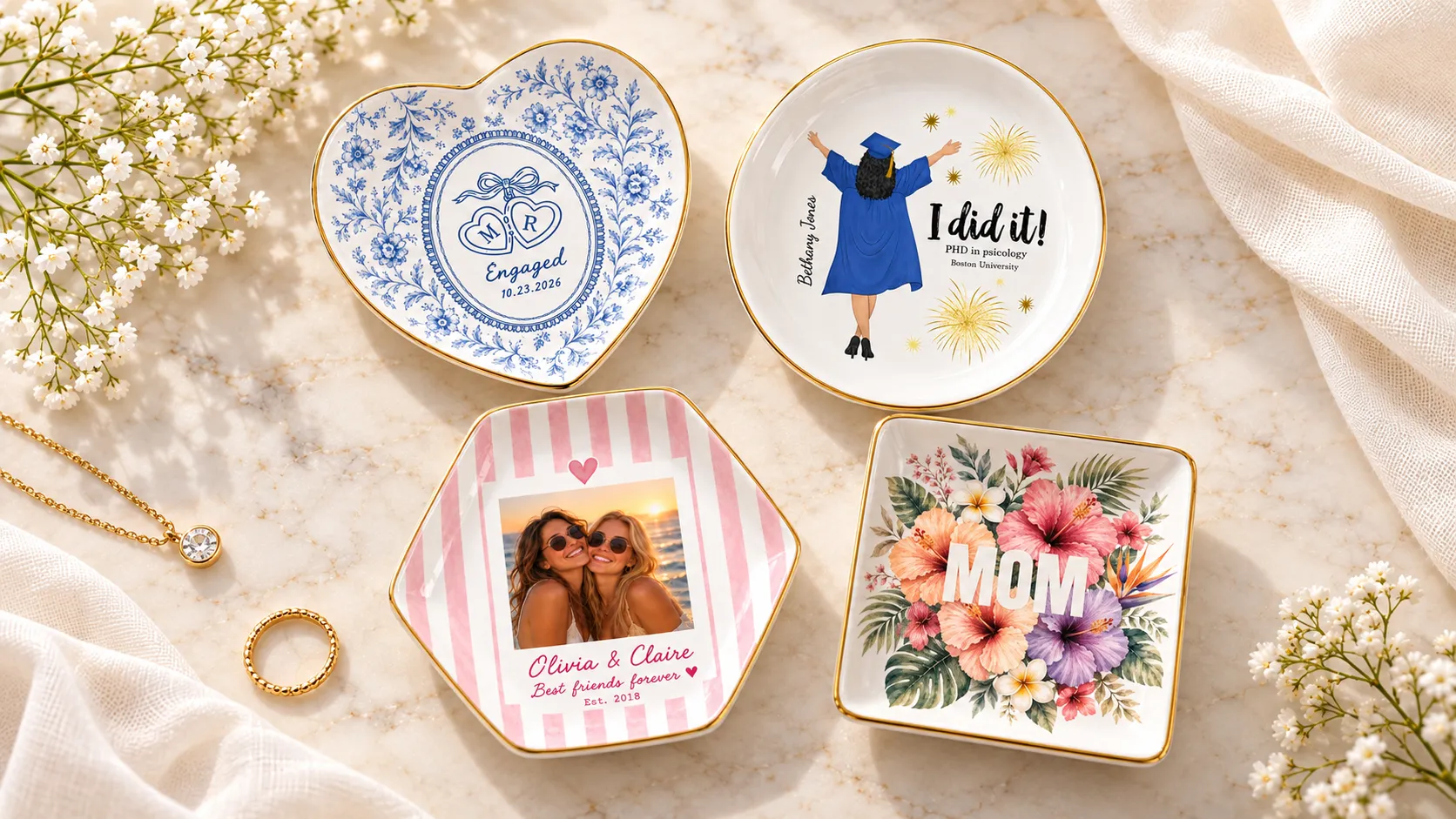
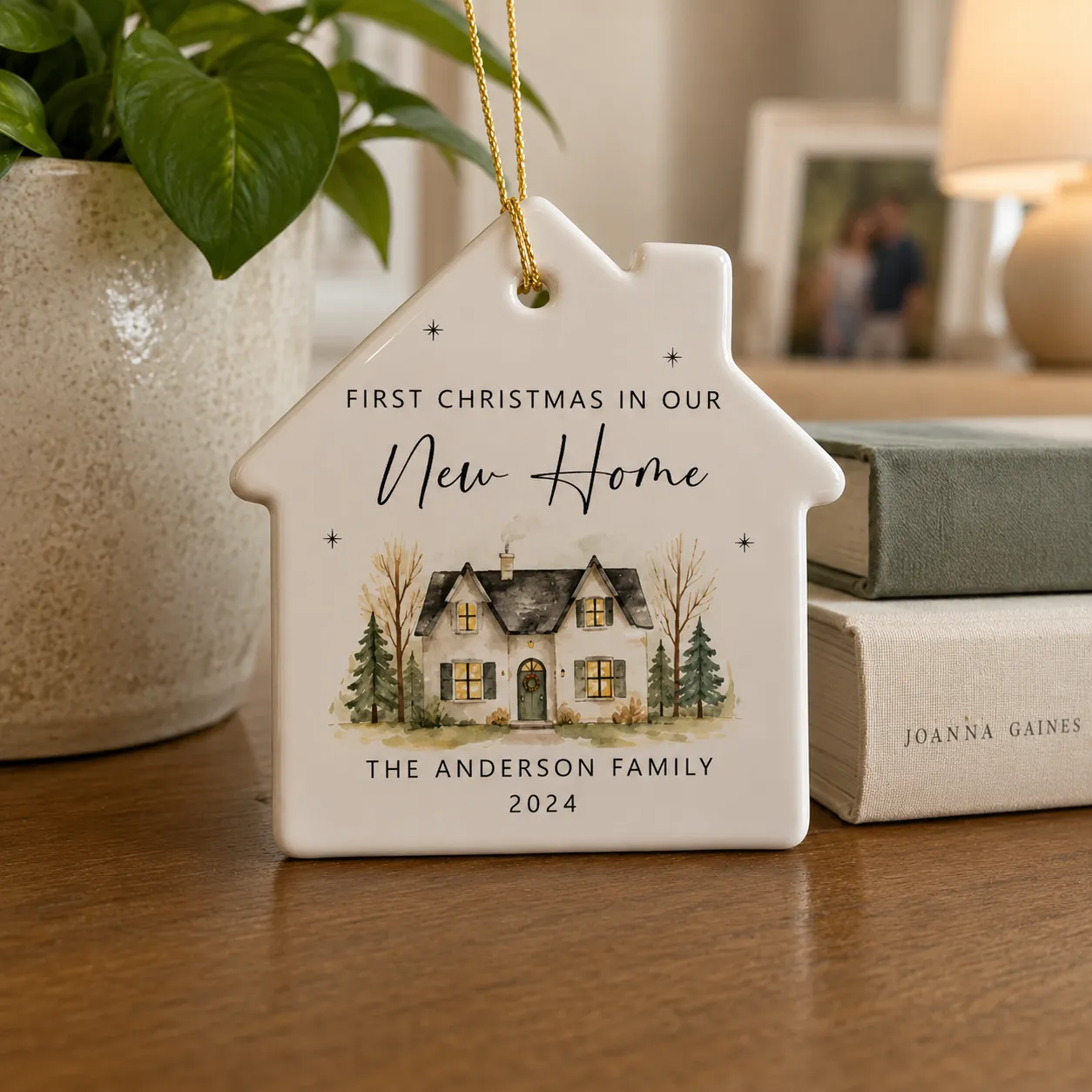
People love buying personalized Christmas products because they feel unique and thoughtful. During the Christmas season, many consumers seek meaningful gifts that stand out. Customizing items with names, messages, or designs allows people to give something tailored specifically to the recipient, which makes the gift more memorable and cherished 💞
Moreover, people like personalized gifts since they provide a solution when someone is unsure of what to buy. A custom item, like a monogrammed ornament, engraved jewelry, or a personalized mug, feels more intentional and can appeal to a wide range of recipients, making gift-giving easier.

How can I sell personalized Christmas products in my online store?
If you own an online store, all you need to do is to select connect a personalization tool like Customily and a print-on-demand provider to your store, select the products you want to sell, and let your customers do the rest.
The first step is to add Customily to your e-commerce platform, like Shopify or Etsy. After that, you connect Customily to your selected print-on-demand provider using an API key, which guarantees seamless interaction between both services. Once connected, you can use Customily's design tool to create customizable products 💜
You can choose items from your POD provider’s catalog directly within Customily and apply design templates, offering personalization features such as text or image customization. Alternatively, you can use Customily’s pre-made designs to provide customizable products quickly 😉
When a customer personalizes an item and places an order, Customily generates a print-ready file that is automatically sent to your POD provider for production and fulfillment.
You do not need to worry about fulfillment since it will be all done for you.
By relying on trustable solutions like Customily and a POD provider, you only have to make sure to promote your store and products effectively. The rest is taken care of by them.
Are you ready to rock this holiday season? 🚀
Happy Holiday Sales! 💫🎁