Table of Contents
Personalize your Shopify products
Install for freeIf you are selling print on demand products, trends are interesting, but margins are what sustain growth.
A product can trend for weeks and still leave you with weak profitability once production costs, transaction fees, and discount pressure reduce your pricing flexibility.
The real question for 2026 is not what is popular. It is which personalized products allow you to price confidently, protect margin, and scale without entering a race to the bottom.
To answer that, we analyzed base production costs from major POD suppliers, compared them with real retail pricing across Etsy and Shopify stores, and factored in marketplace fees and buying behavior patterns. Profitability here refers to gross margin potential before ad spend, calculated as retail price minus production cost minus marketplace fees when applicable.
The results point to a consistent pattern. The most profitable niches are emotionally anchored.
How to Identify a Profitable Personalized Niche
Not every product category performs equally well in personalized ecommerce. While production costs matter, the most important factor is how personalization affects perceived value and buyer motivation.
A profitable niche usually combines several key characteristics. First, the product should have enough emotional relevance that personalization meaningfully increases its perceived value. Jewelry, gifts, pet products, and home decor tend to perform well because they naturally connect to identity, relationships, or memories.
Second, the base product should allow for clear customization without creating production complexity. Products that support names, dates, images, or symbolic elements tend to work well because they allow each item to feel unique without drastically increasing fulfillment costs.
Third, the niche should allow sufficient pricing flexibility. A common rule in print on demand is that retail pricing should be at least three times the base production cost. This margin buffer allows sellers to cover marketing expenses, marketplace fees, and occasional promotions without eroding profitability.
Finally, profitable niches typically combine personalization with a clear audience or occasion. Products designed for teachers, pet owners, newlyweds, or parents often perform better than broad generic categories because they speak directly to a specific group with shared emotional triggers.
When these elements align, personalization stops being a simple customization feature and becomes a strong value differentiator that supports both conversion and margin.
Tier 1: Highest Margin Personalized Niches
These categories consistently allow premium pricing when positioned strategically.
1. Personalized Jewelry
Jewelry remains one of the most resilient high margin categories in personalized ecommerce.
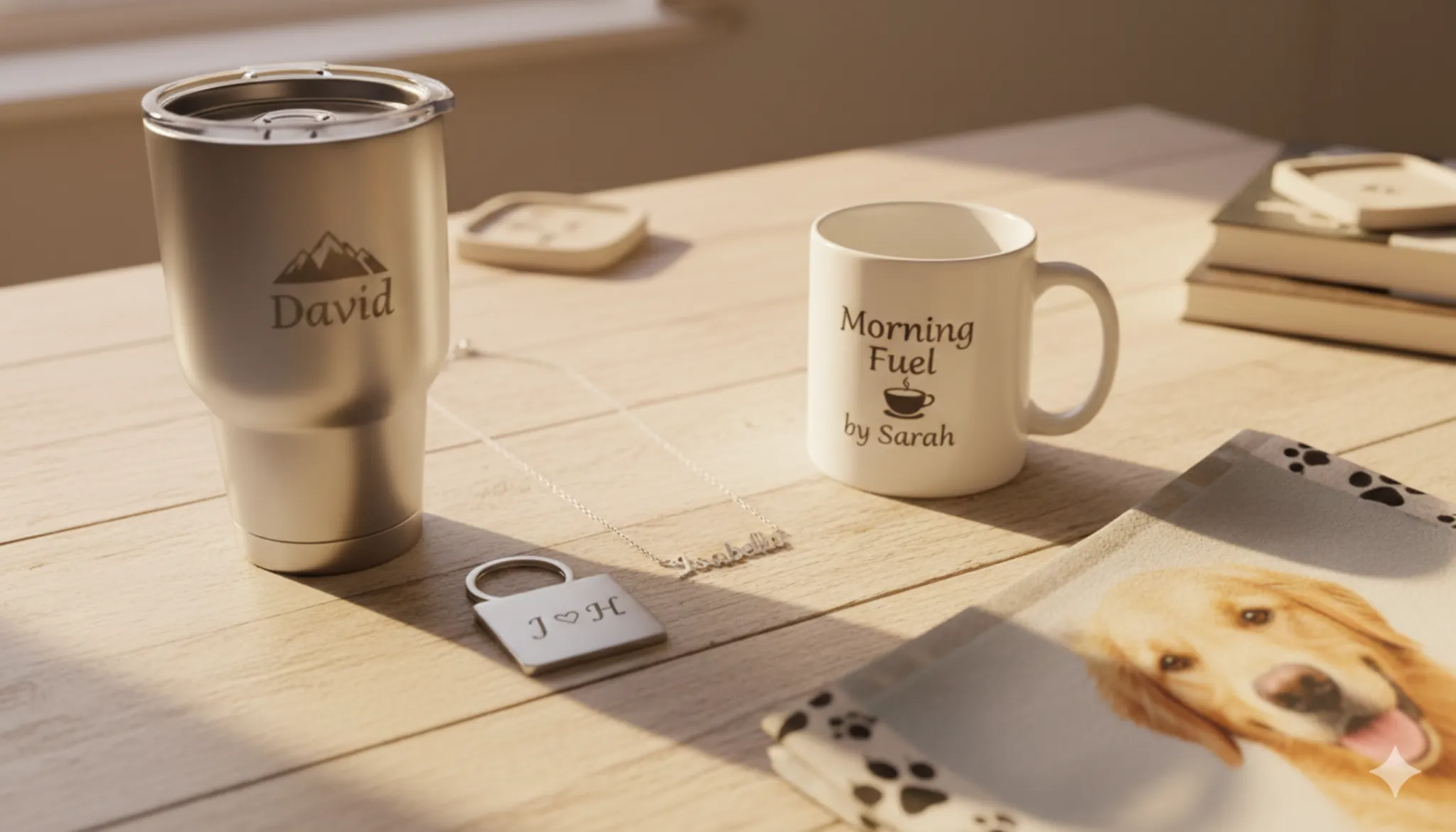
Stainless steel engraved necklaces typically carry base production costs between 11 and 18 dollars depending on supplier and finish. Retail pricing frequently ranges from 49 to 69 dollars or more when positioned as milestone gifts. That creates gross margin potential between 60 and 75 percent before fees.
The strongest variations are relationship driven. Mother and children name necklaces, anniversary pieces, memorial jewelry, wedding keepsakes, and couple designs outperform generic pieces because they reduce price comparison behavior.
If you want to see how brands are increasing conversion rates while protecting those margins, we break it down in detail in how jewelry stores increase sales with live product personalization.

2. Premium Personalized Tumblers
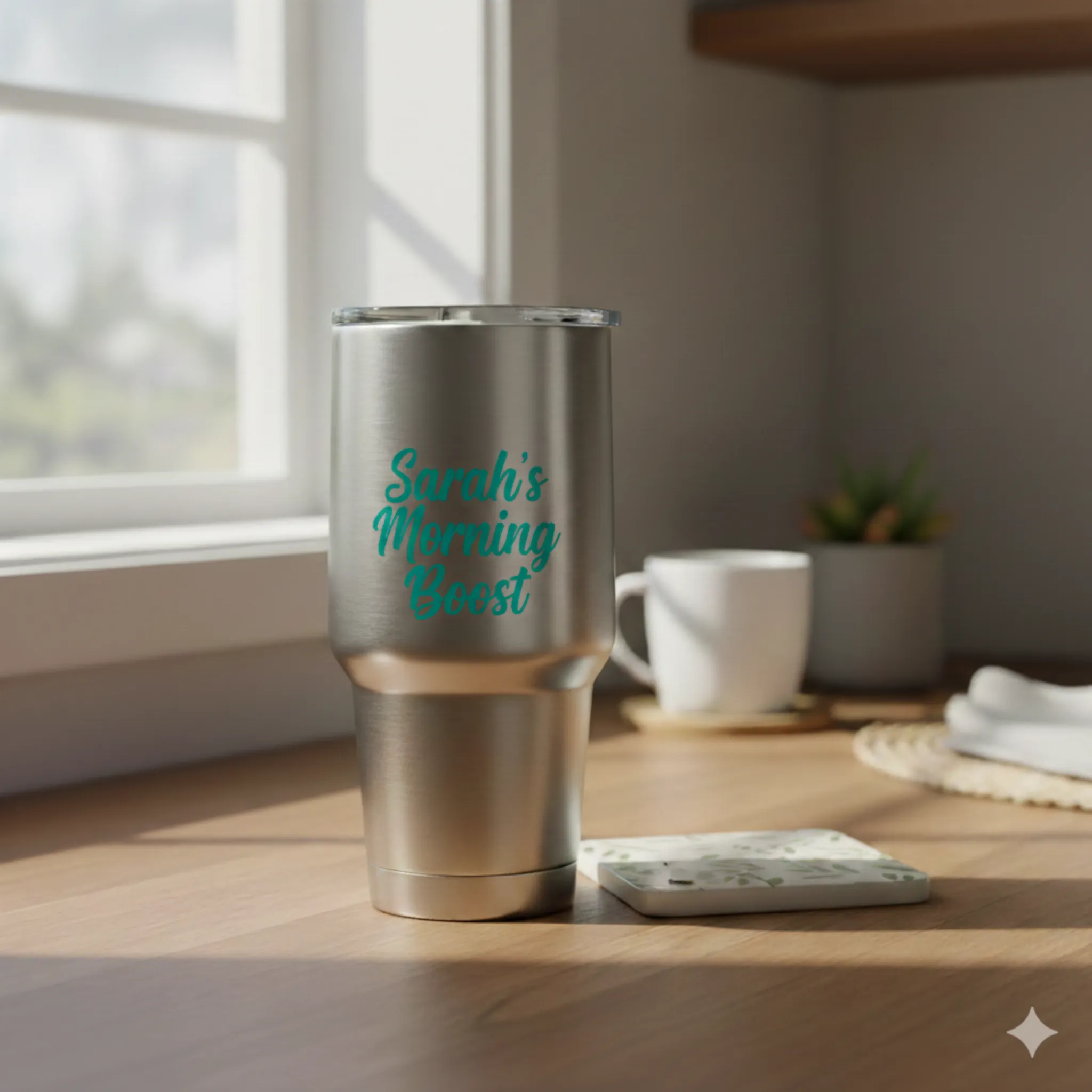
Premium personalized tumblers continue to perform strongly when positioned around identity and occasion.
Typical base costs range between 9.99 and 13 dollars. Retail pricing commonly sits between 29 and 45 dollars, creating margin potential around 60 to 70 percent.
The margin difference depends on positioning. A generic tumbler invites price comparison. A bridal party tumbler, teacher appreciation gift, or sports mom collection carries identity and emotional context.
If tumblers are part of your 2026 strategy, we explain the conversion advantage in depth in why personalized tumblers sell more with real time customization.
3. Occasion Driven Emotional Gifts
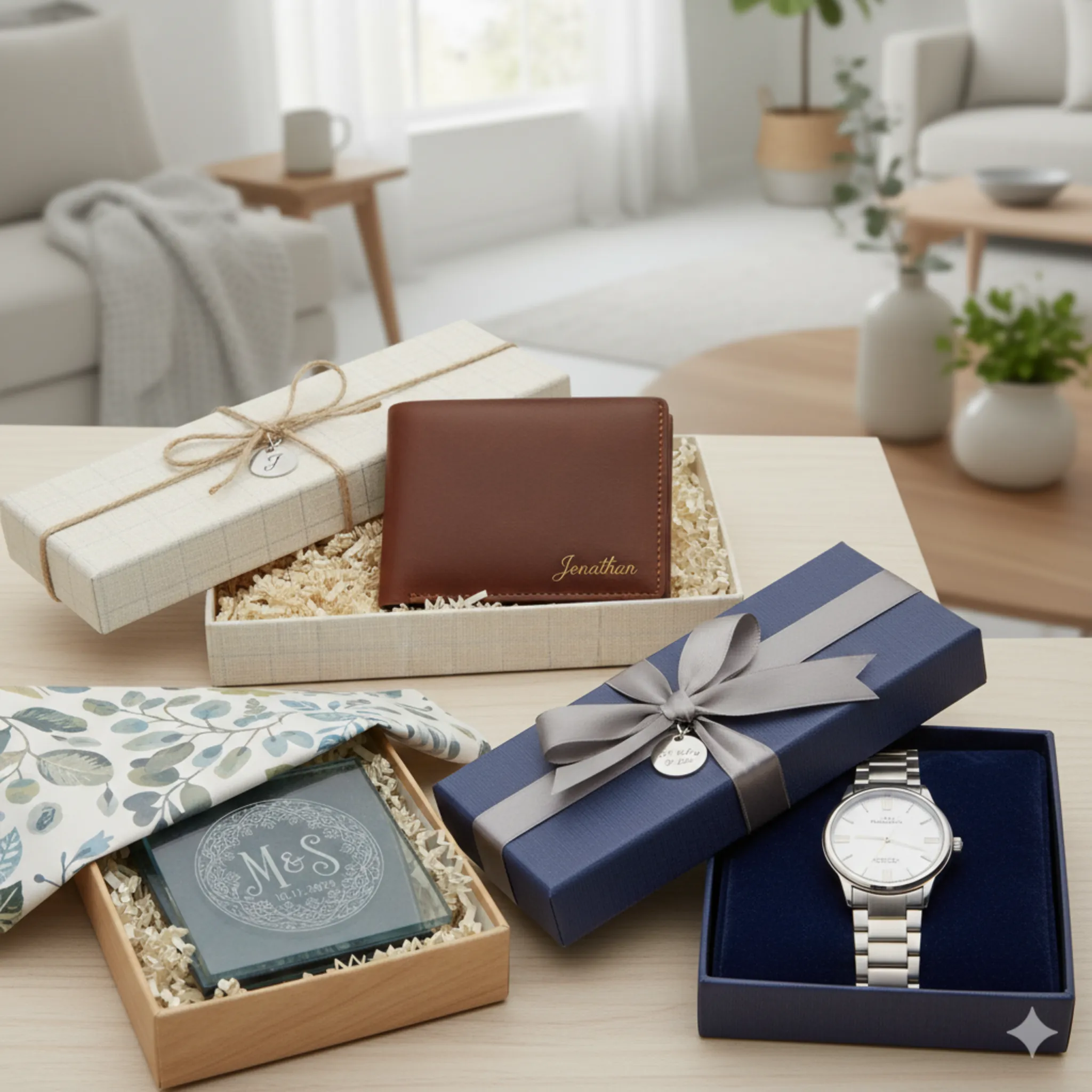
Occasion driven products represent one of the most reliable high margin strategies in personalized ecommerce. Instead of selling a generic product, the offer is framed around a specific moment or milestone that already carries emotional importance for the buyer.
Examples include baby milestone gifts, memorial pieces, Mother’s Day collections, graduation keepsakes, and wedding party sets. In these scenarios, the purchase decision is rarely based on price alone. Buyers are primarily focused on finding something meaningful that reflects the occasion.
This emotional context changes how customers evaluate the product. A personalized gift for a wedding, anniversary, or memorial moment is not easily interchangeable with other listings. Shoppers are less likely to compare dozens of similar products because the goal is not simply to buy an object. The goal is to capture a specific memory or relationship.
For sellers, this creates a strong margin advantage. When the product is positioned around an event or milestone, personalization becomes part of the emotional narrative rather than just a product feature. The combination of timing, meaning, and customization allows merchants to maintain higher pricing while still delivering perceived value.
Tier 2: High Margin With Strong Positioning
These niches perform well when sellers focus on storytelling and personalization depth.
4. Pet Personalized Products
Pet owners consistently demonstrate strong willingness to spend when products reflect companionship and loyalty.
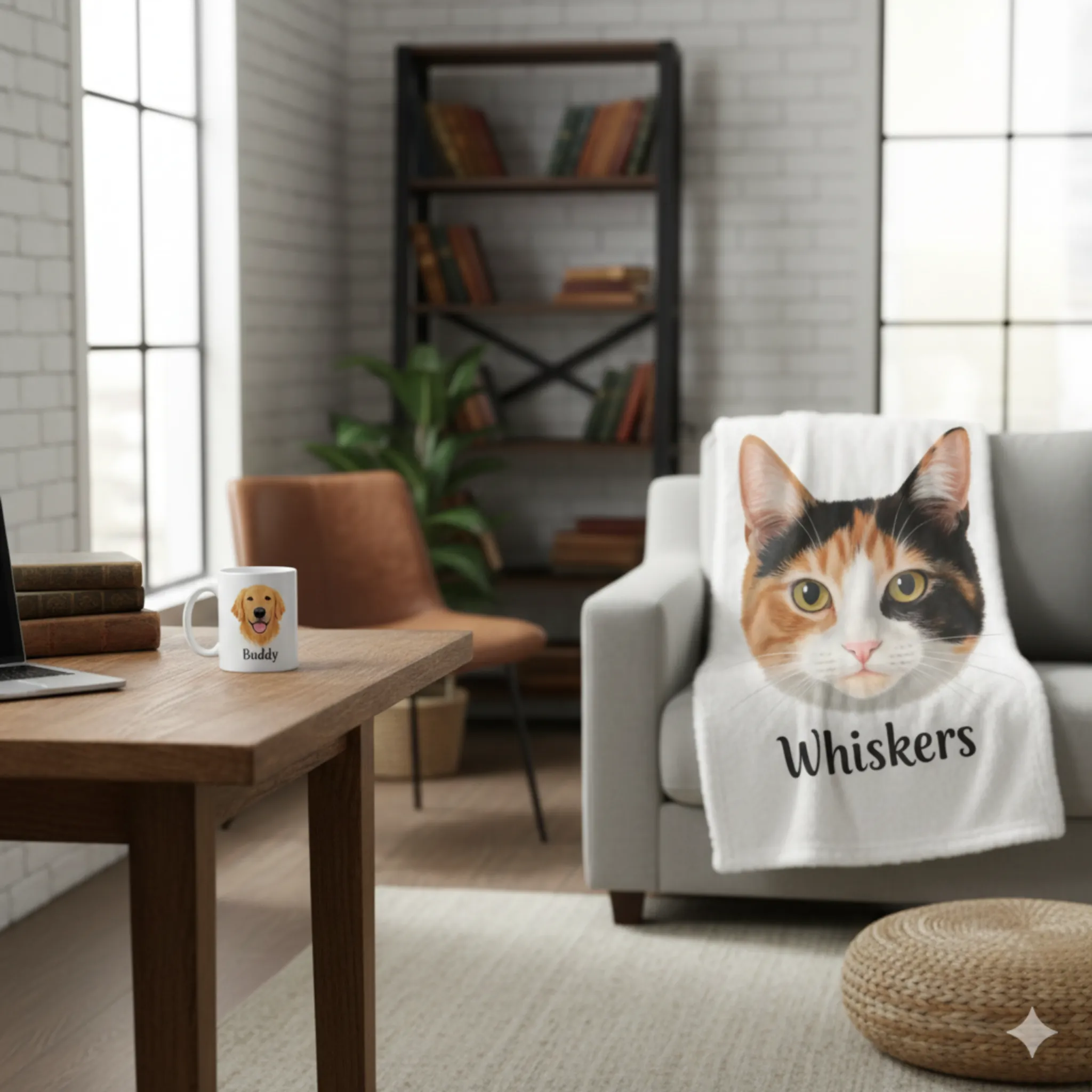
Custom pet portrait mugs, personalized blankets, memorial frames, and pet name jewelry perform well because they connect to identity. The stores that protect margin avoid generic “dog lover” graphics and instead lean into relationship driven storytelling.
5. Engraved Symbolic Accessories
Small engraved metal items such as keychains, pendants, or compact keepsakes often have very low base production costs while maintaining strong markup potential when positioned correctly. Because these products are inexpensive to manufacture and lightweight to ship, they allow sellers to maintain healthy margins even at moderate retail prices.
What makes this category particularly effective is how easily it connects to emotional meaning. A simple engraved keychain can represent a relationship, a milestone, or a shared memory. Names, coordinates, short messages, important dates, or symbols transform a basic metal accessory into a personal object that carries emotional weight. Once personalization is introduced, the product stops being a generic accessory and becomes a keepsake.
Another advantage of this niche is its versatility in gifting scenarios. Engraved accessories work well as standalone gifts but also perform strongly as add-ons or bundle components alongside larger products. For example, a personalized necklace paired with an engraved keychain or charm can increase perceived value while raising the overall order size. When framed as symbolic memory tokens rather than simple accessories, these products consistently support higher margins.
Categories Where Margins Get Compressed
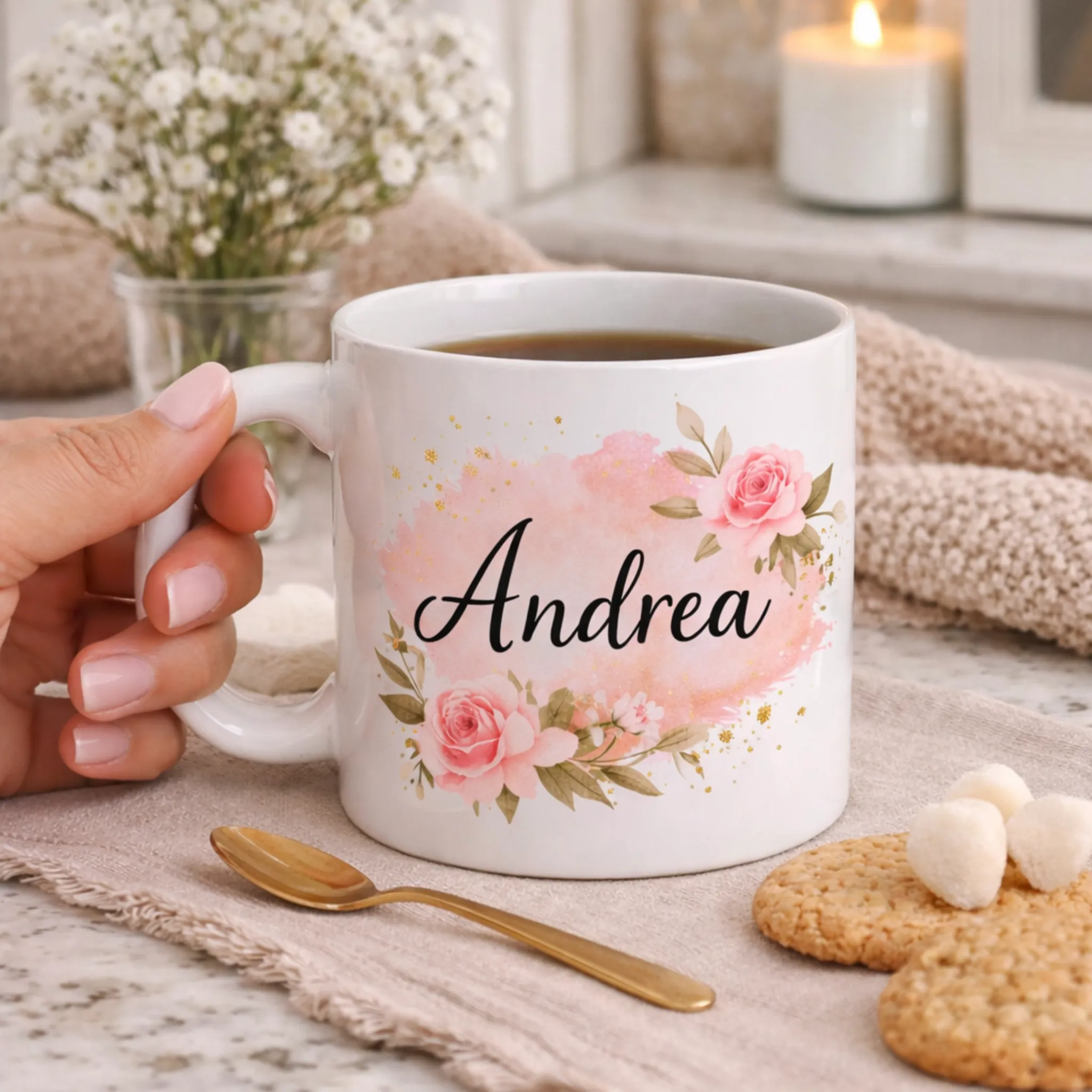
Some print on demand categories remain popular but often experience significant margin pressure due to market saturation. Generic t shirts, basic mugs without meaningful personalization, and standard phone cases are common examples. These products are easy to produce and widely available, which means sellers frequently compete in highly crowded marketplaces.
The problem is not the products themselves, but the lack of differentiation. When multiple stores offer nearly identical designs or blank templates, buyers naturally compare listings based on price. This creates downward pricing pressure and encourages discount driven competition. Over time, this dynamic reduces profitability and makes it difficult to build a sustainable brand.
However, these categories are not inherently unprofitable. The key difference lies in how they are positioned. When sellers introduce deeper personalization options, niche targeting, or emotionally relevant designs, these products can regain pricing power. Without that layer of personalization or storytelling, they quickly become commodity listings where price becomes the primary decision factor.
Etsy vs Shopify: Margin Implications
The platform where a product is sold also plays an important role in margin dynamics. Etsy provides built in marketplace traffic and strong discovery for niche products, which makes it attractive for sellers testing new ideas. However, Etsy also introduces transaction fees and intense price comparison behavior, since buyers can easily view dozens of similar listings side by side.
Because of this visibility, sellers often feel pressure to match or undercut competitor pricing. Maintaining strong margins on Etsy typically requires clear differentiation through design, personalization depth, or emotional storytelling that separates a listing from competing products.
Shopify operates differently. While merchants must generate their own traffic, they gain full control over pricing, brand presentation, and product experience. Without marketplace competition appearing directly next to the product page, sellers can focus more on value communication rather than price comparison.
For personalized products in particular, Shopify stores often benefit from stronger storytelling, structured upsells, and deeper customization experiences that help protect margins.
Why Emotional Niches Protect Margin
The most profitable personalized product niches share a common trait: they are purchased for emotional reasons rather than purely functional ones. Products tied to relationships, memories, and identity tend to face less direct price comparison because buyers are focused on meaning rather than cost alone.
For example, a personalized anniversary necklace or a memorial pet portrait blanket is rarely evaluated the same way as a generic accessory. The value of the item is tied to what it represents. That emotional context reduces the likelihood that buyers will compare multiple listings solely based on price.
This shift in buyer psychology creates a protective effect around margins. When products carry personal meaning, customers prioritize relevance, personalization quality, and design over small price differences. For sellers, this means that emotional niches combined with strong personalization can create pricing flexibility and more stable profitability over time.
Final Verdict: The Most Profitable Personalized Niches for 2026
Based on production cost analysis, retail benchmarks, and buyer psychology, the strongest margin categories are:
- Personalized jewelry
- Premium stainless steel tumblers
- Occasion driven emotional gifts
- Pet personalized products
- Engraved symbolic accessories
However, category alone does not create profitability. The real margin strength comes from product selection combined with emotional positioning, personalization depth, and strategic pricing.
Turning Margin Potential Into Scalable Revenue
Identifying a profitable niche is only part of the equation. Execution determines whether that margin actually materializes.
The more personalization depth you offer, the higher the perceived value. The smoother the live preview experience, the higher the conversion rate. The more automated your print file generation, the lower your operational friction.
That is where Customily becomes critical. With real time personalization, automatic print ready file generation, and direct integrations with major print on demand suppliers, Customily allows stores to increase perceived value while keeping operations efficient.
High margin niches thrive when customers can visualize their personalization instantly and when fulfillment remains automated behind the scenes. That combination is what allows stores to scale in 2026 without sacrificing margin.


.webp)