Table of Contents
Personalize your Shopify products
Install for freeEcommerce personalization in 2026 is about reducing uncertainty, predicting intent, and helping shoppers decide faster. Winning brands focus on confidence over persuasion, privacy-first data, contextual experiences, and shorter buying journeys. Personalization evolves from isolated tactics into core commerce infrastructure.
In 2026, shoppers no longer see personalization as a bonus. They expect relevance, clarity, and speed by default. At the same time, brands face higher acquisition costs, stricter privacy expectations, and customers who compare options faster than ever.
As a result, personalization is no longer a marketing layer. It has become a foundational part of how ecommerce works.
What Is Ecommerce Personalization in 2026?
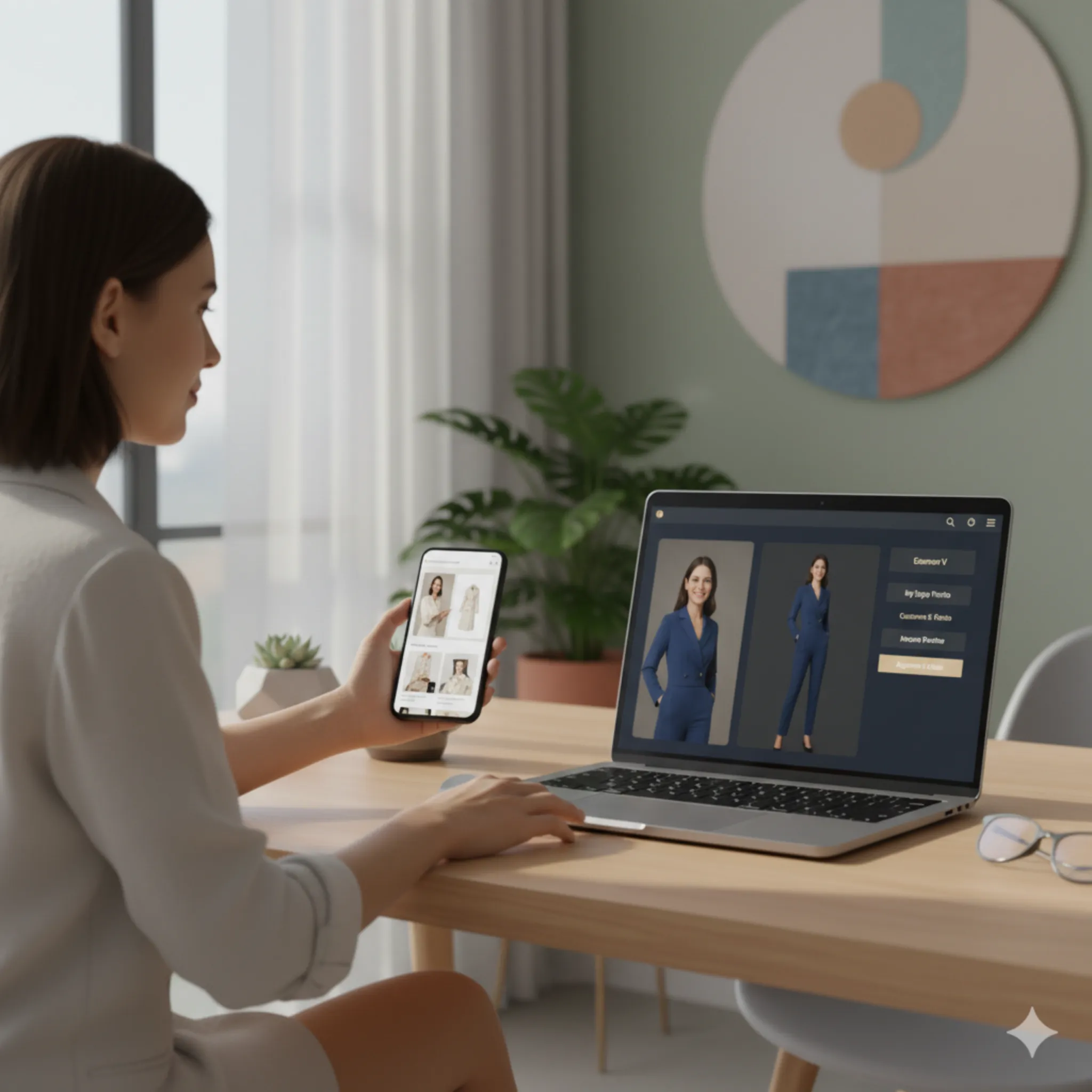
Ecommerce personalization in 2026 means adapting the product, experience, and decision path in real time using intent, context, and customer-provided data.
It goes beyond recommendations and includes:
- How products are presented
- Which options are surfaced
- What information removes hesitation
- How smoothly the experience flows to checkout
The goal is simple: make buying easier and more certain.
Why Ecommerce Personalization Matters More Than Ever in 2026
Several forces are converging at once. Traffic is more expensive.
Conversion rates are harder to move. Discount-driven growth is less sustainable.
In this environment, shoppers convert when they feel confident, not when they feel rushed. Personalization helps by answering questions early, reducing friction, and removing ambiguity before checkout. Clarity now outperforms persuasion.
Ecommerce Personalization Trends 2026: Quick Overview
In 2026, ecommerce personalization is defined by:
- Prediction instead of reaction
- Confidence instead of urgency
- Context instead of volume
- Fewer steps instead of longer funnels
- Continuous learning instead of static rules
The trends below explain how this shift plays out in practice.
The 7 Ecommerce Personalization Trends Defining 2026
✅ Trend 1: Predictive Personalization Replaces Rule-Based Logic
Static rules and fixed segments are no longer enough.
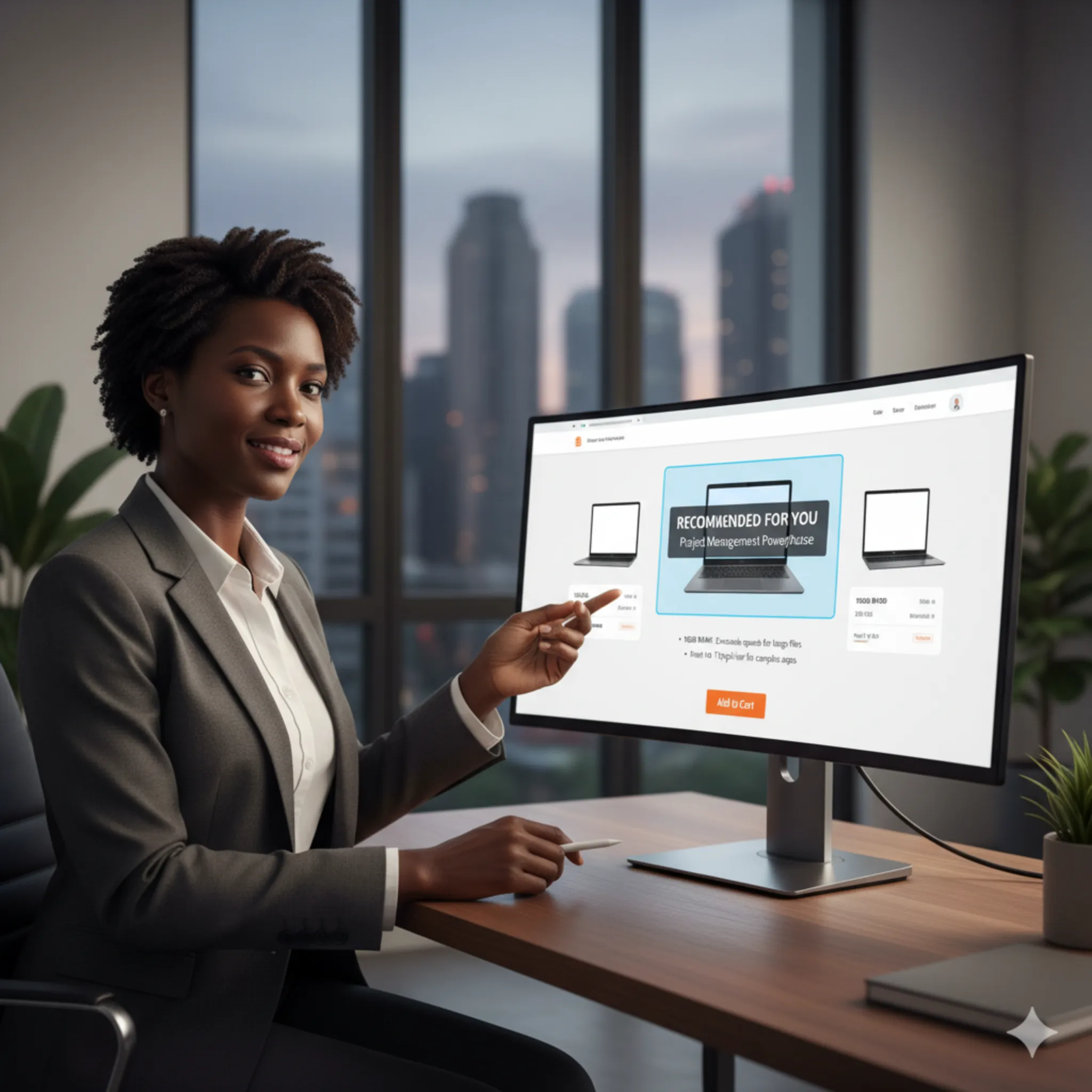
Modern personalization systems anticipate intent based on behavior patterns, timing, and context. This allows brands to surface the most relevant options before shoppers hesitate or abandon. Prediction replaces guesswork.
✅ Trend 2: Confidence Becomes the New Conversion Currency
In 2026, shoppers buy when they clearly understand what they will receive.
Personalization increasingly focuses on reducing uncertainty through:
- Clear outcomes
- Transparent options
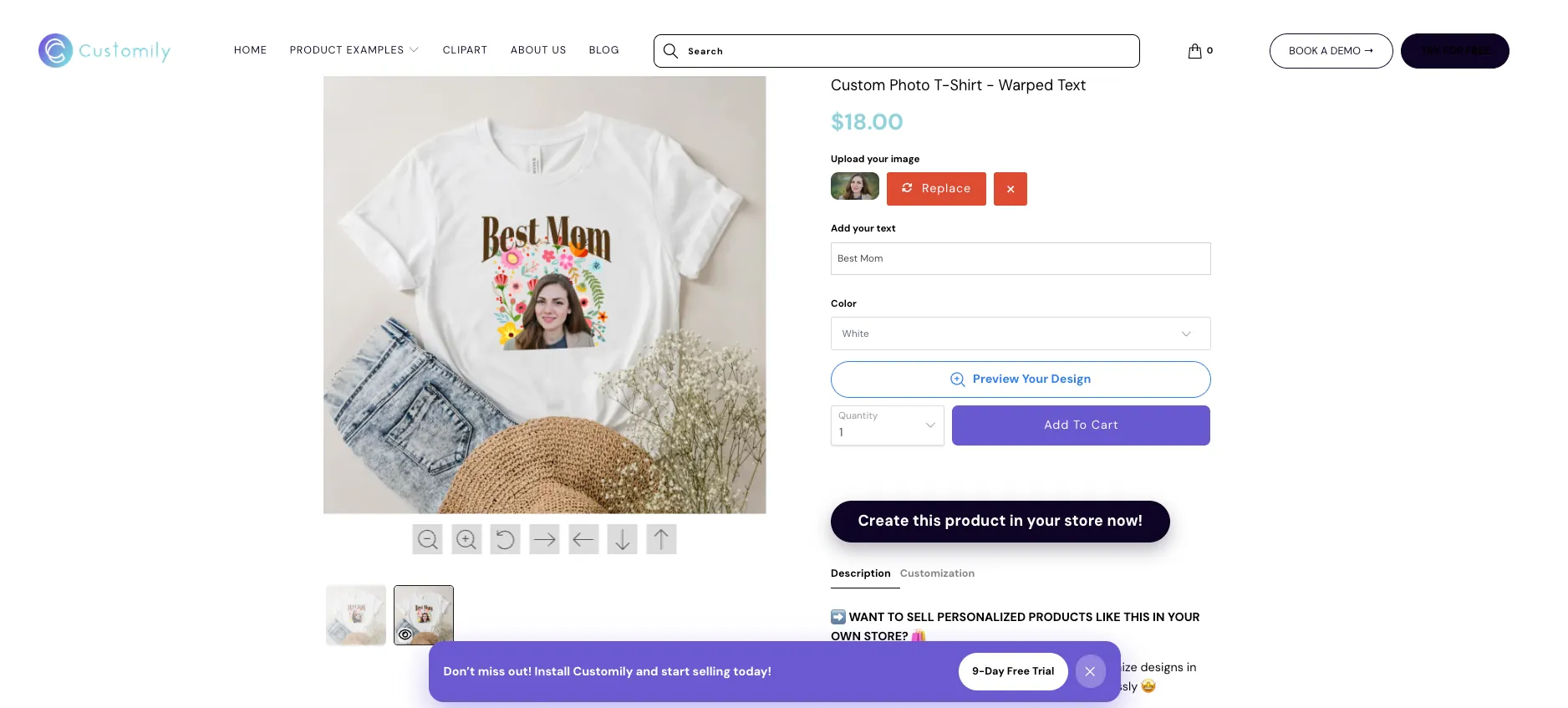
- Visual confirmation before checkout
This is especially critical for products with multiple variations or customization.
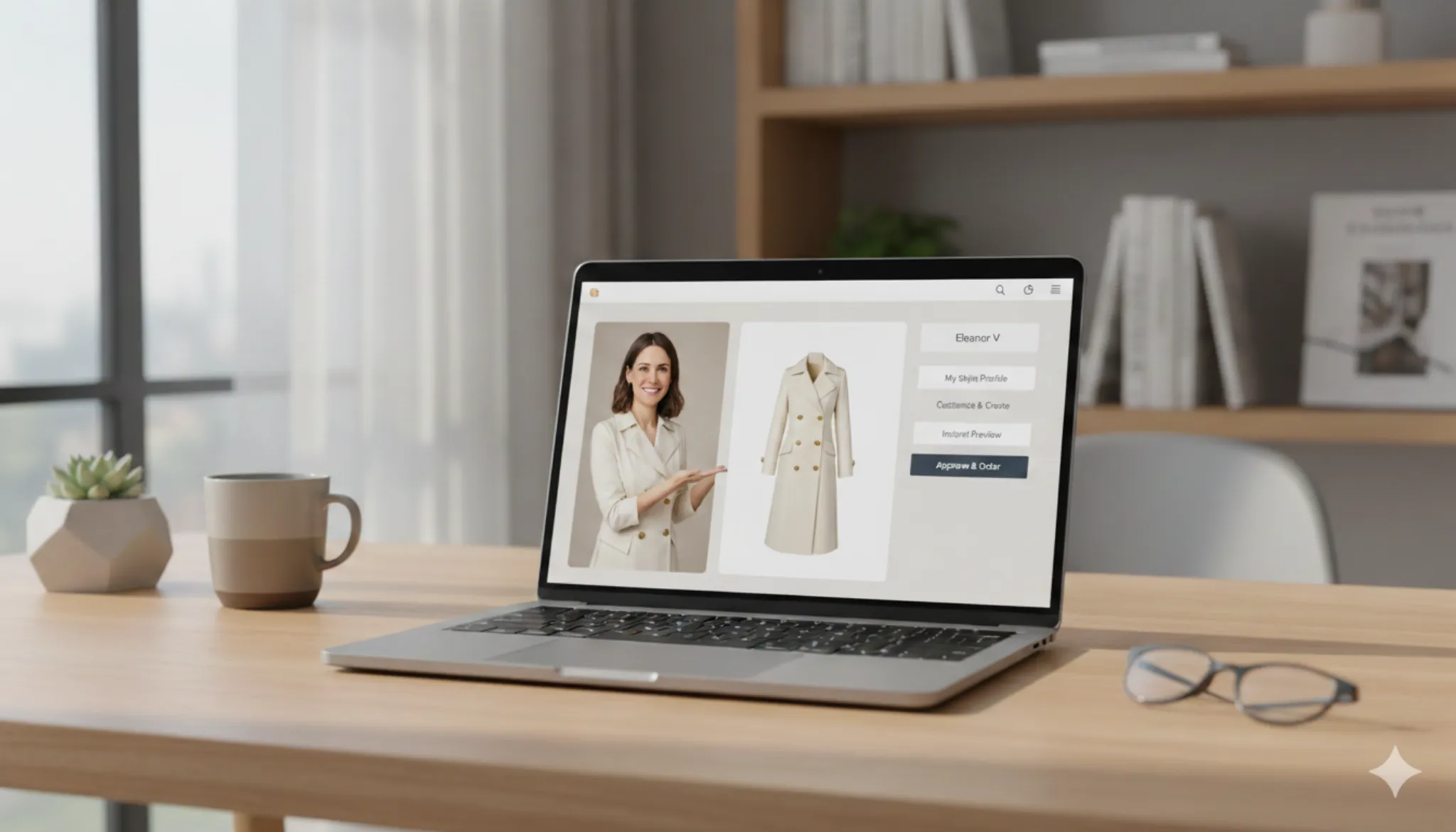
For example, platforms like Customily enable live product personalization with real-time previews, allowing shoppers to see the final result before purchasing. This kind of confidence-driven experience reduces hesitation, lowers returns, and improves conversion without relying on discounts.
✅ Trend 3: Privacy-First Personalization Using Zero- and First-Party Data
High-performing personalization no longer depends on third-party cookies.
Instead, it relies on data shoppers willingly share, such as preferences, selections, and inputs during the shopping experience. This approach improves relevance while reinforcing trust.
Personalization becomes something shoppers participate in, not something done to them.
✅ Trend 4: Context Outruns Content
Personalization is no longer about showing more content.
What matters is context: device, moment, intent, and stage in the journey. The same shopper may need a different experience depending on how and when they arrive.
Effective personalization adapts to the moment, not just the profile.
✅ Trend 5: Journeys Compress Into Fewer, Smarter Steps
Long funnels lose effectiveness.
In 2026, successful brands streamline the path to purchase by removing unnecessary steps and combining key actions into a single flow. Seeing, configuring, and confirming happen seamlessly.
Fewer steps lead to higher confidence and better conversion.
✅ Trend 6: Every Shopper Interaction Trains the System
Personalization systems now learn continuously.
Each interaction feeds back into the experience, helping improve relevance over time without constant manual adjustments. Static personalization setups fall behind quickly.
✅ Trend 7: Immersive and Interactive Personalization Scales
Interactive personalization is no longer limited to enterprise brands.
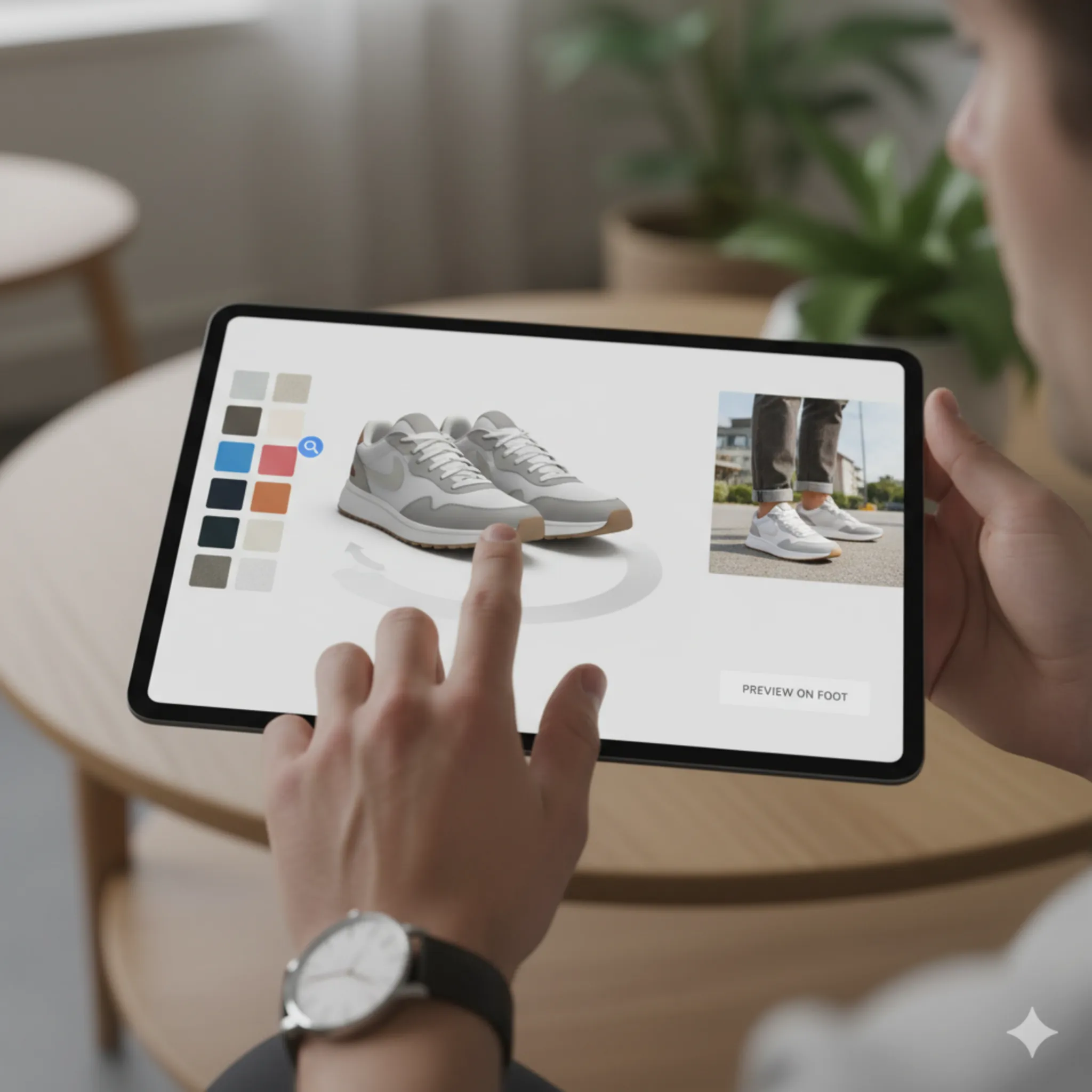
More stores now use immersive experiences that allow shoppers to engage with products dynamically, increasing engagement and reducing pre-purchase doubt. These experiences are becoming faster to deploy and easier to scale.
Best Practices for Winning With Ecommerce Personalization in 2026
- Focus on High-Impact Moments: Prioritize product discovery, decision-making, and checkout.
- Reduce Uncertainty First: Clarity converts better than urgency.
- Automate Where Possible: Personalization must scale without increasing operational workload.
- Treat Personalization as Infrastructure: It’s not a campaign. It’s part of how your store operates.
Where Ecommerce Personalization Trends Go Next
The next phase is autonomy.
Personalization systems will increasingly adapt on their own, using real-time signals to optimize experiences continuously. Shoppers gain more control, while brands focus on designing experiences that feel helpful, transparent, and trustworthy.
Final Takeaway
In 2026, ecommerce personalization is not optional.
Brands that grow do not personalize more. They personalize better.
They reduce doubt, accelerate decisions, and design experiences that help shoppers feel confident faster. That is what defines the next generation of ecommerce personalization.