Table of Contents
Personalize your Shopify products
Install for freePersonalization has become one of the most powerful trends in e-commerce.
Consumers are no longer satisfied with generic products that anyone can buy. Instead, they increasingly seek items that reflect identity, relationships, and meaningful moments. A product that includes a name, photo, date, or personal message immediately feels more valuable than a standard item.
For e-commerce sellers, this shift creates a significant opportunity.
Personalized products typically command higher margins, experience lower return rates, and generate stronger emotional connections with customers. When buyers participate in designing their product, they feel invested in the purchase before it even arrives.
Advances in e-commerce technology have also made personalization much easier to implement. With tools that allow shoppers to preview their custom product in real time and systems that automatically generate print-ready files for production, sellers can offer personalized items at scale without increasing operational complexity.
In this guide, we’ll explore some of the best personalized products to sell online, why they perform well in e-commerce, and how sellers can launch them efficiently using print-on-demand workflows.
Why Personalized Products Sell So Well in E-commerce

Personalized products succeed because they tap into emotional purchasing behavior.
Most online products compete on price, convenience, or brand reputation. Personalized items compete on meaning. A mug with a name on it is not simply a mug. It becomes a gift, a memory, or a symbolic item tied to a relationship.
Several factors make personalized products ecommerce particularly attractive for sellers.
First, personalization increases perceived value. A product that costs only a few dollars to produce can justify a much higher retail price once it becomes unique to the customer.
Second, personalized products often reduce returns. When shoppers see exactly how their product will look before purchasing, they have clear expectations. This reduces dissatisfaction after delivery.
Third, personalization encourages impulse gifting. Many customers purchase personalized items for birthdays, anniversaries, holidays, or milestones such as a new baby or pet adoption.
Finally, personalization naturally increases average order value. Customers frequently add additional names, upgrade materials, or include extra design elements once they begin customizing.
For e-commerce brands, this combination of emotional appeal and operational efficiency makes personalized products one of the most scalable product strategies available.
Best Personalized Products to Sell Online
Below are several profitable personalized product categories that consistently perform well across e-commerce marketplaces and independent stores.
Each category offers multiple ways to incorporate customization while maintaining efficient production workflows.
Personalized Jewelry
Jewelry remains one of the most successful categories for personalized gift ideas.
Unlike many other products, jewelry is already associated with emotional significance. Adding personalization simply amplifies that connection.
Common personalized jewelry products include:
- Name necklaces
- Birthstone bracelets
- Engraved pendants
- Coordinate necklaces
- Couple or family rings
These items are often purchased for meaningful occasions such as anniversaries, Mother’s Day, or commemorating a child’s birth.
The personalization possibilities are extensive. Sellers frequently allow customers to add names, initials, important dates, birth flowers, or geographic coordinates. Some stores also offer handwriting engravings that replicate a message written by a loved one.
The emotional trigger behind personalized jewelry is memory preservation. Buyers want to carry a symbolic representation of a relationship or milestone. This makes jewelry one of the most durable categories for custom products to sell.

Personalized Home Decor
Home decor is another strong category because it blends aesthetic value with personal identity.
Customers enjoy decorating their spaces with items that represent family, pets, or meaningful locations. Personalized decor transforms a standard household item into something unique to the home.
Popular personalized home decor products include:
- Custom wall art
- Family name signs
- Photo canvases
- Personalized blankets
- Custom pillows
Many of these items perform particularly well as gifts for weddings, housewarmings, or holidays.
A popular personalization approach is the “family identity” theme. Products may include the family surname, established year, or names of children and pets.
Another effective concept involves location-based personalization. Maps showing the place where a couple met or the coordinates of a meaningful destination can transform a simple print into a sentimental piece of decor.
These emotional associations allow home decor products to command higher prices compared to generic alternatives.

Personalized Pet Products
The pet industry has grown dramatically in recent years, and personalization fits naturally within this market.
Pet owners treat their animals as family members, making them highly receptive to products that celebrate their pets’ personalities.
Examples of personalized pet products include:
- Custom pet portraits
- Personalized pet blankets
- Pet name ornaments
- Custom dog tags
- Pet-themed mugs or apparel
Many of these items incorporate pet names, photos, or breed-specific illustrations.
A particularly successful format involves transforming a pet photo into an illustrated style artwork. This allows customers to display their pet as a portrait, cartoon, or artistic rendering.
The emotional trigger here is affection and identity. Pet owners enjoy expressing pride and affection for their animals, and personalized products help them do that in a visible way.
As a result, pet-themed items are often among the most profitable personalized products in e-commerce.

Personalized Gifts
Many of the most successful e-commerce stores focus specifically on personalized gift products.
Rather than targeting a single product type, these stores organize their offerings around gifting occasions.
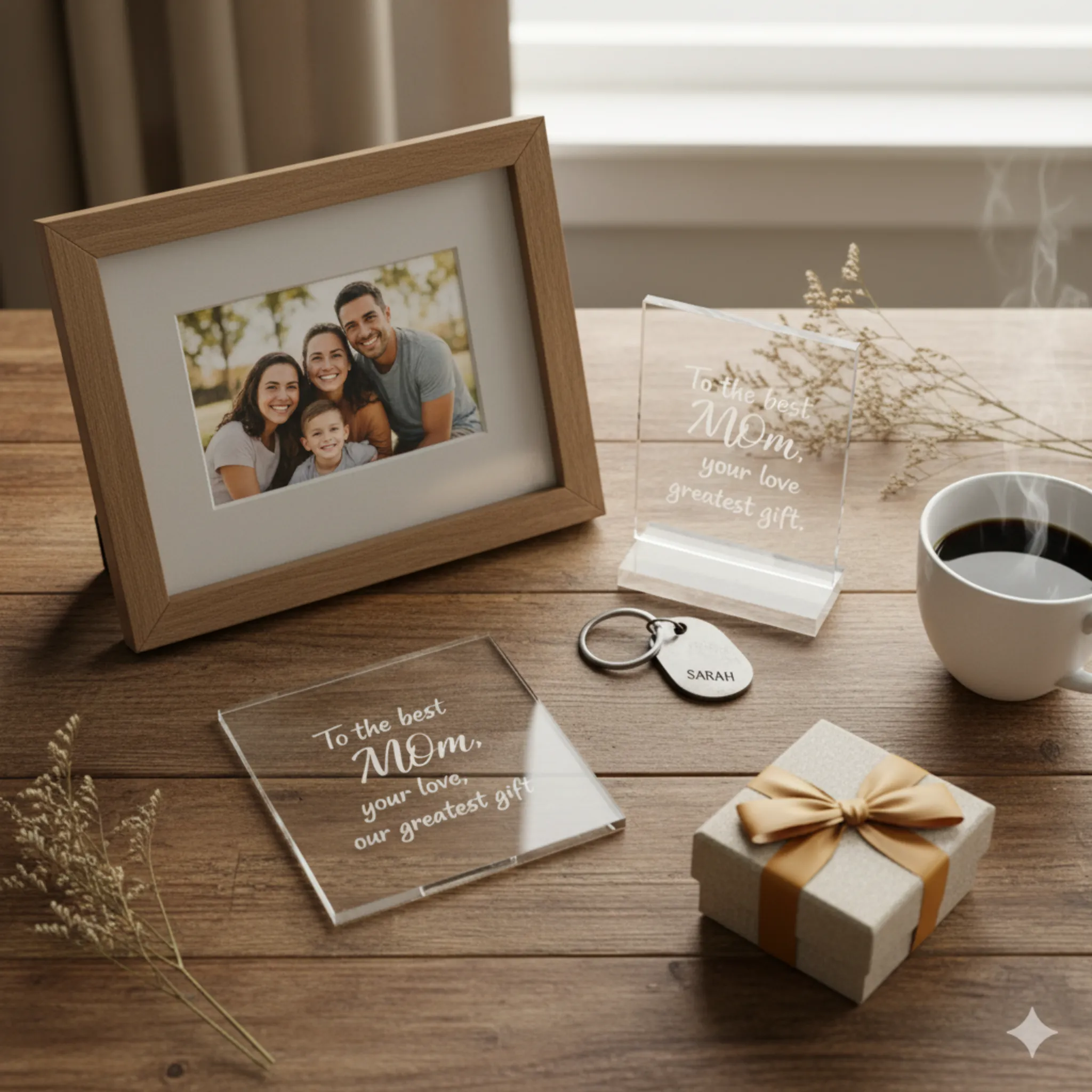
Common personalized gift products include:
- Photo frames with engraved messages
- Acrylic plaques with custom text
- Personalized keychains
- Custom ornaments
- Memory keepsakes
What makes these products effective is their versatility. A single product format can be adapted to multiple occasions, such as birthdays, weddings, graduations, or retirement gifts.
For example, an acrylic plaque might feature:
- A romantic message for couples
- A heartfelt message for parents
- A motivational quote for graduates
The emotional trigger behind personalized gifts is recognition. Buyers want to demonstrate thoughtfulness and effort when giving a present. Personalization signals that the gift was intentionally created for the recipient.
This makes personalized gifts one of the most stable categories within personalized products ecommerce.
Personalized Apparel
Apparel is one of the largest categories in e-commerce, and personalization adds a powerful differentiation layer.
Standard clothing items are often highly competitive and price sensitive. Adding customization transforms apparel into something unique and harder to compare across stores.
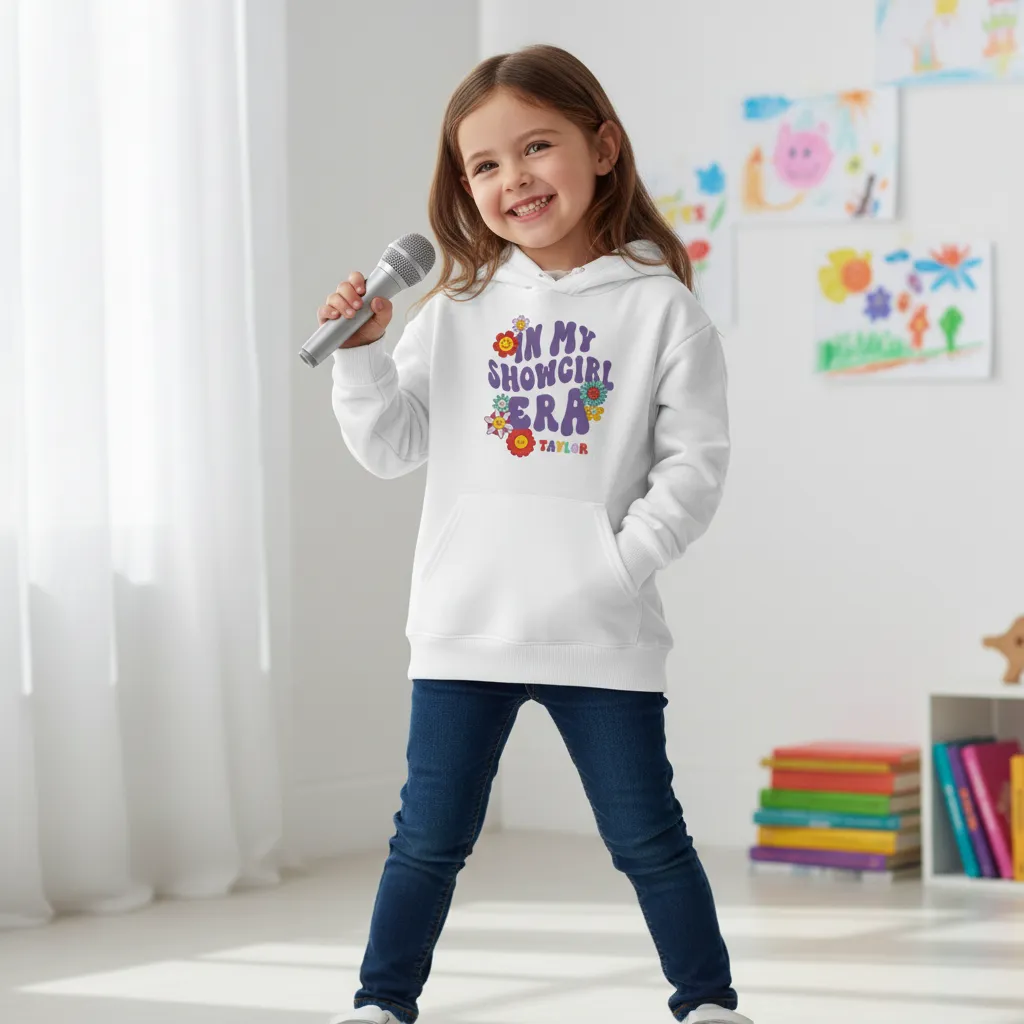
Popular personalized apparel products include:
- Custom name t-shirts
- Family reunion shirts
- Matching couple hoodies
- Personalized baby onesies
- Pet-themed shirts
One of the most successful approaches involves family-themed designs. Shirts featuring children’s names, birth years, or family nicknames tend to perform well during holidays such as Mother’s Day and Father’s Day.
Another strong angle involves milestone moments. Apparel celebrating birthdays, graduation years, or sports achievements resonates strongly with buyers.
Because apparel production is relatively inexpensive through print-on-demand suppliers, this category offers strong potential margins when combined with personalization.
Personalized Drinkware
Drinkware products remain consistent sellers because they combine daily utility with personalization.
Customers use mugs, tumblers, and water bottles every day, making them ideal items for gifts or personal use.
Examples of personalized drinkware include:
- Custom coffee mugs
- Name tumblers
- Photo mugs
- Engraved water bottles
- Personalized wine glasses
Many successful designs incorporate humor or relatable messages combined with a name.
For example, a mug might read “Best Mom Ever” with the children’s names underneath. A tumbler might feature a teacher’s name with a classroom-themed design.
These products perform especially well during holiday seasons, workplace gifting periods, and school-related events.
Because drinkware items are inexpensive to produce and ship, they are often considered entry-level personalized products for e-commerce sellers testing the market.

How to Launch Personalized Products With Print on Demand
One of the biggest barriers to selling personalized products in the past was operational complexity.
Sellers needed to manually edit design files for every order, which quickly became unsustainable at scale.
Today, print-on-demand technology has changed this workflow.
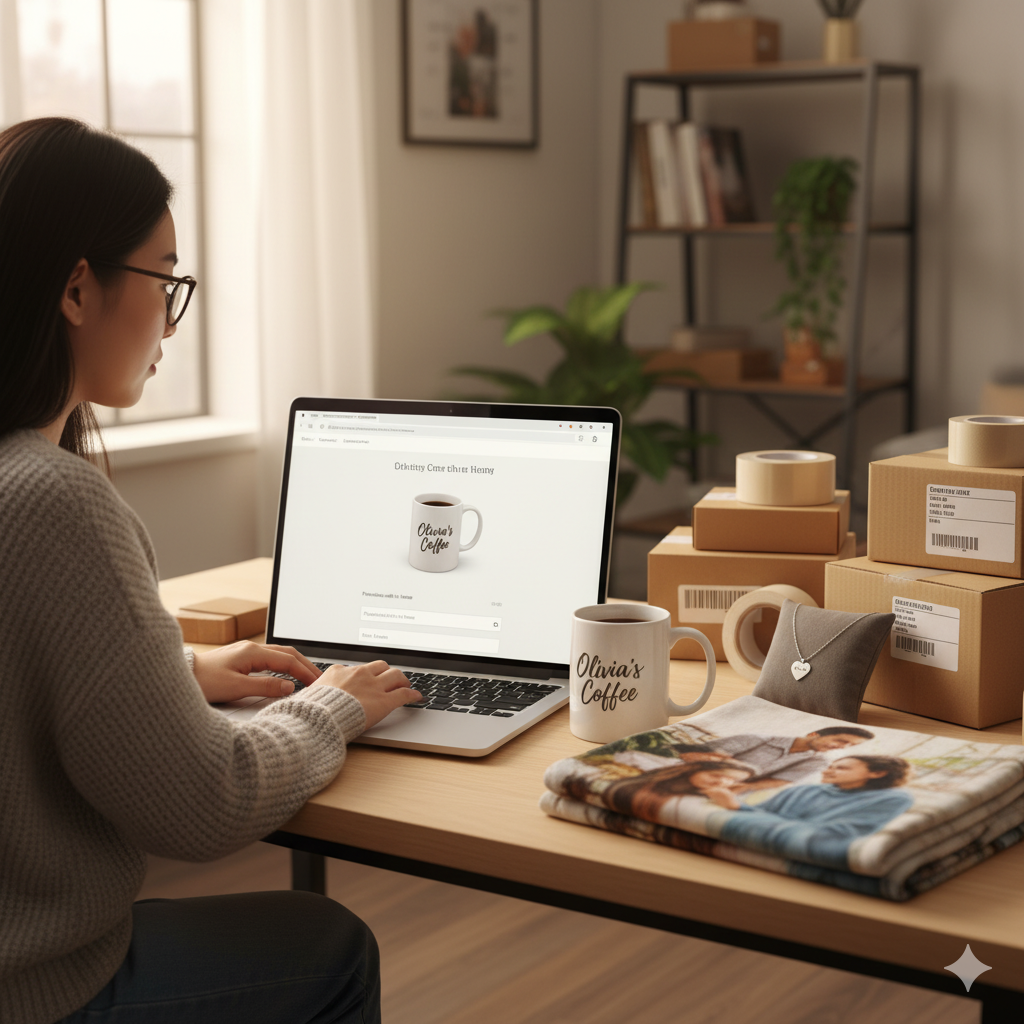
Modern personalization platforms allow customers to customize products directly on the product page. Shoppers can enter names, upload images, or choose design options while seeing a live preview of the final product before checkout.
Once the order is placed, the system automatically generates a production-ready file that includes the customer’s exact customization.
This file can then be sent directly to print-on-demand suppliers such as Printify or Printful for fulfillment.
Platforms like Customily enable this type of workflow by combining three key capabilities:
- Real-time product previews for customers
- Automatic creation of print-ready production files
- Integration with major print-on-demand providers
This automation removes the need for manual design work and allows e-commerce stores to scale personalized product sales efficiently.
Instead of editing each order individually, sellers can focus on launching new designs and expanding their product catalog.
Tips to Make Personalized Products More Profitable
While personalization naturally increases perceived value, a few strategies can significantly improve profitability.
Focus on emotional positioning
Products tied to relationships, memories, or identity tend to outperform purely decorative items. Designs that reference family, pets, or milestones often convert more consistently.
Offer multiple personalization fields
Allowing customers to add additional names, dates, or messages can increase the order value. Each added element enhances the product’s meaning.
Design for gifting occasions
Many personalized products are purchased as gifts. Aligning designs with events like weddings, birthdays, or holidays can increase seasonal demand.
Bundle complementary products
Combining related items, such as a mug and a matching ornament, can increase average order value while offering customers a cohesive gift set.
Simplify the customization process
The easier it is for customers to personalize a product, the more likely they are to complete the purchase. Clear instructions and visual previews significantly improve conversion rates.
Final Thoughts
Personalized products continue to reshape e-commerce by turning standard items into meaningful experiences.
For sellers, this model offers several advantages: higher perceived value, stronger emotional engagement, and scalable production through print-on-demand systems.
From jewelry and home decor to apparel, pet products, and drinkware, there are countless opportunities to launch personalized products to sell online.
With the right product concepts and the right technology like Customily Product Personalizer, e-commerce brands can build stores where customers are not just buying products but creating them.
That shift from passive shopping to active participation is what makes personalization one of the most powerful strategies in modern ecommerce.
FAQs
What are the most profitable personalized products to sell online?
Jewelry, home decor, pet products, apparel, and drinkware are among the most profitable personalized product categories due to their emotional appeal and strong gift potential.
Are personalized products good for e-commerce businesses?
Yes. Personalized products often have higher margins, lower return rates, and stronger customer engagement compared to generic items.
How do sellers create personalized products with print-on-demand?
Sellers use personalization platforms that allow customers to customize products with live previews. The system then generates automated print-ready files sent to fulfillment providers.
What occasions drive demand for personalized products?
Major occasions include birthdays, weddings, anniversaries, Mother’s Day, Father’s Day, and holidays such as Christmas.
Do personalized products increase average order value?
Yes. Customers often add extra customization elements such as additional names or upgraded materials, which increases the final order value.